
October 15th, 2026
An infrastructure with a complex plumbing system is not a piece of cake to deal with. Determining the right equipment requires deep analysis and examination. The same applies to installing a water booster pump. In this guide, we will learn how experts do it.
Connecticut’s high-rises rely on pumps to maintain consistent water pressure and flow across multiple floors. Though these systems solve many pressure-related challenges, the catch is that not every pump is designed for every application.
Therefore, select a pump based on the required duty point and operating range. We’ve covered the areas experts focus on when choosing a water booster pump. Let’s begin learning.
Choosing the right water booster pump does not mean picking a model with a higher-pressure rating. Every building is unique and has different plumbing conditions, water demands, and pressure requirements.
Consequently, the ideal equipment bridges the gap between what is required and what is challenging. Below are the key factors to consider when choosing CT water booster pumps.
Begin by determining the building’s actual water demand. A small residential property will have very different needs than a large commercial building. Factors such as occupancy, fixture count, fixture types, and simultaneous use all affect the required flow rate.
For complex applications, selecting a pump based solely on maximum possible flow may not be ideal for booster pump selection. Thus, experts establish the system’s duty point to understand the required flow rate at the corresponding pressure.
When equipment is selected based on demand and duty point, it operates efficiently across the expected range. The key is to select a pump and control strategy that can operate effectively across the expected flow range, not just at peak demand.
Once the flow requirement is established, determine the pressure. This calculation goes beyond the incoming municipal water pressure. Here, expert plumbers and engineers account for static heads, pipe friction losses, equipment losses, and the minimum pressure required on the most demanding floor.
Additionally, in a multi-story building, the booster pump must generate enough head to overcome this elevation difference. That is why experts in CT choose water booster pumps based on total dynamic head (TDH) and required flow. They never choose a pump based on a desired PSI rating.
Buildings with complex plumbing systems could have variable water demand at different times of the day. Demand can rise during peak usage and drop during low occupancy.
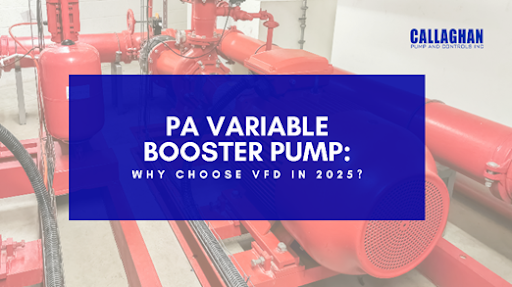
Hence, equipment needs to be smarter than a basic booster pump. For these complex needs, variable booster pumps can make a difference. This advanced equipment uses pressure feedback to adjust motor speed.
This approach makes pressure more reliable, so pumps operate closer to the system’s actual requirements. This also reduces unnecessary pump cycling and energy consumption compared with a system that continuously operates at a fixed speed.
Base the number and arrangement of pumps on the building’s capacity requirements, reliability expectations, and operating conditions.
A single pump may suit a smaller application, while a larger or more critical facility may require a multi-pump arrangement. Multiple pumps can be staged to add capacity as water requirements increase.
A duty-and-standby arrangement can also provide operational redundancy. If one pump requires maintenance, another unit may continue serving the building, depending on the system design.
Hereby, consider the complete operating requirement, including capacity, redundancy, controllability, maintenance, energy use, and expected service life.
Finding the right Connecticut water booster pumps starts with choosing a supplier that understands more than pump specifications. A booster pump supplier in CT with experience in commercial, residential, and complex plumbing applications would be a great fit.
Most reliable suppliers evaluate flow requirements, TDH, pump configuration, controls, and system conditions before recommending equipment. They also provide support through system design, selection, installation, commissioning, and maintenance. This expert approach delivers a solution made just for your building.
By following these expert-backed methods, you will ultimately get booster pumps that support the building. This will not only upgrade today’s complex plumbing networks but also keep them ready for long-term operation.
Need the right CT water booster pump supplier for a demanding plumbing system? Callaghan Pumps is the name hundreds of contractors, engineers, and decision-makers trust. With a versatile range of pumps, we supply solutions for projects of any complexity. Feel free to get in touch and share your thoughts.
john@callaghanpump.com,
eileen@callaghanpump.com,
dan@callaghanpump.com,
sales@callaghanpump.com,
service@callaghanpump.com