
June 8th, 2026
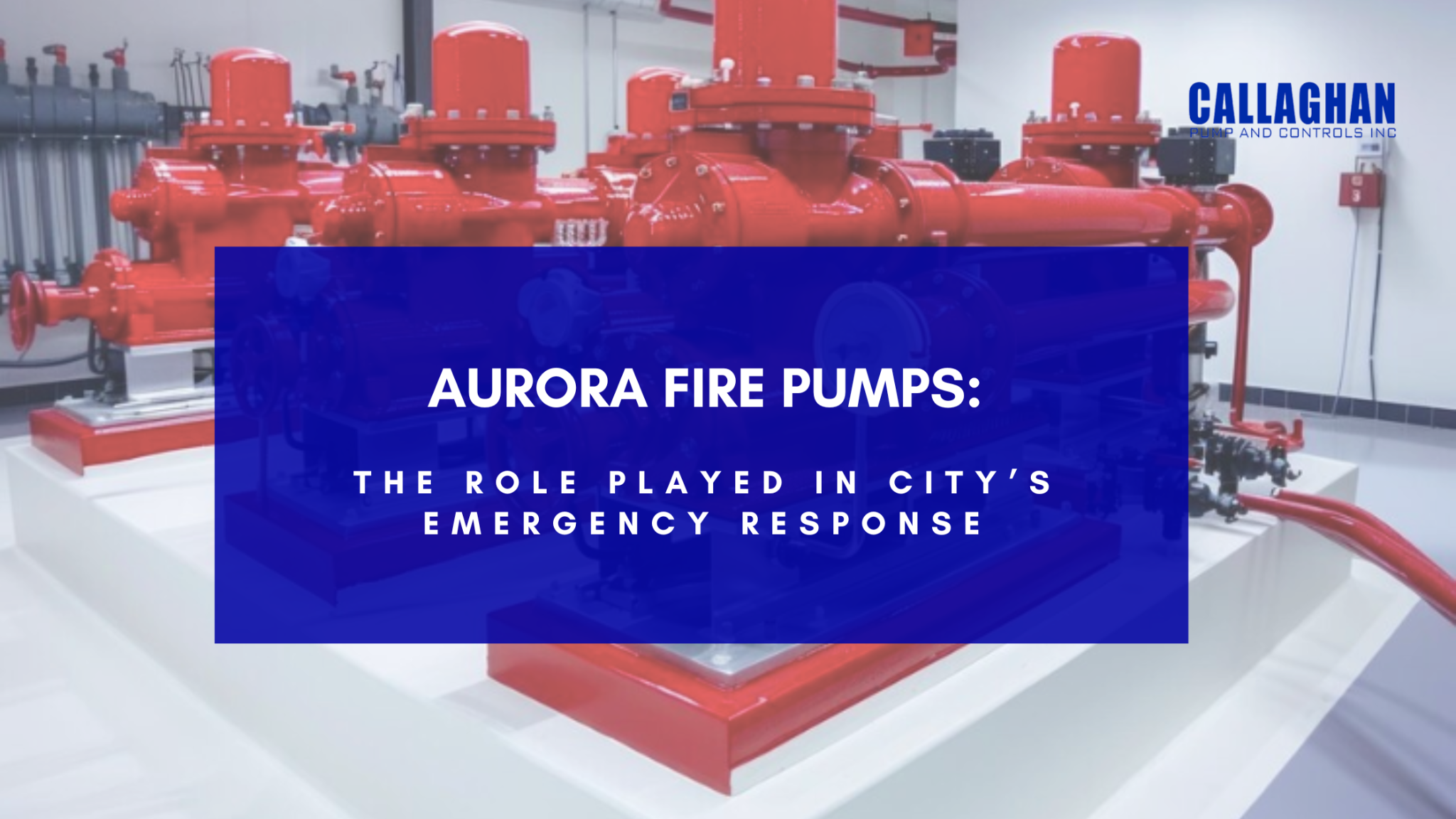
Fire pumps are designed in different ways, and depending on the building design, each is selected for optimal performance. In fire events, when the outcome depends on the seconds, the type of CT fire pumps installed determines the safety and reliability.
CT fire pumps are highly preferred in high-rises, industrial plants, and commercial complexes. These are responsible for delivering adequate water pressure to firefighting systems in emergencies.
This blog explores the most popular and important types of fire pumps used in CT to ensure their safety and compliance with local codes. Let’s learn about each to select the best one based on its specifications and design.
Regardless of location, buildings present different challenges: limited space, underground water sources, high flow demands, or retrofit constraints. This is where understanding the various types of fire pumps becomes essential.
Among common fire pump types, each is engineered to meet specific operational requirements, regional conditions, and site-specific demands. Selecting the right one not only ensures compliance with NFPA 20 but also gives you long-term confidence in high performance. Let’s now move further with the
Businesses and large structures commonly use these types of pumps due to their ability to handle high flow rates. Horizontal split-case fire pumps have a double-suction impeller with a split casing. Even though it needs a separate water supply, the pump is highly preferred by industry owners.
Additionally, most of the components are of different sizes, making it easier to find replacements. Since the casing opens from the top, these pumps are simple to clean and maintain. Due to its advanced design, the equipment is engineered to last longer and perform more efficiently.
In general, warehouses and airports, industrial facilities, high-rise buildings such as apartments, and business towers use horizontal split-case pumps when high reliability is required.
Vertical turbine pumps operate smartly and are utilized in limited installation spaces. With multiple impellers, the device is designed to be installed where the water source is below ground. Here, a horizontal pump fitting is usually impractical, so vertical turbine pumps stand out as an ideal solution.
Consequently, these are the only pumps permitted by NFPA 20 that start with a negative suction pressure. Meaning, they are installed where a water source is typically present below the pump level. Therefore, it is used to pull water from ponds, lakes, wells, rivers, and underground tanks.
Also, the pump operates under a condition known as the “lift condition,” as it must lift the water to the pump level before it reaches the firefighting systems. Both electric and diesel motors are compatible with turbine pumps. Due to all these significant features, large industrial plants and places with natural water resources deploy such pumps.
The rare type of fire pump, the vertical inline pump, is in high demand for retrofit projects. They can be installed directly on the pipeline and require minimal space. Hence, these pumps are called upon in rooms with limited space.
Unlike split-case units, the cleaning and maintenance are complicated in inline pumps. Though the units are less expensive, the pump is accessed by removing the motor. The procedure makes maintenance and repair more costly than other pump categories. Commercial buildings, renovation projects, and tight mechanical rooms are considered ideal for this equipment.
Though these pumps have limited applications, they are utilized in lower-flow applications. Only electric motors are fitted in such devices; no diesel motors are integrated in inline vertical fire pumps.
Split-case vertical pumps are designed using the same hydraulics as horizontal split-case pumps. However, these are best suited to limited-space pump rooms in high-rises.
In addition, pumps combine the high efficiency and large flow capacity of horizontal split case units with a space-saving vertical design. This makes them an excellent choice where floor space is restricted, but performance requirements remain high.
So, it was all about how different types of fire pumps in CT leverage the fire protection game. Callaghan Pump specializes in modern fire pumps suited for modular infrastructure. Feel free to contact the team today.
john@callaghanpump.com,
eileen@callaghanpump.com,
dan@callaghanpump.com,
sales@callaghanpump.com,
service@callaghanpump.com