
August 7th, 2026
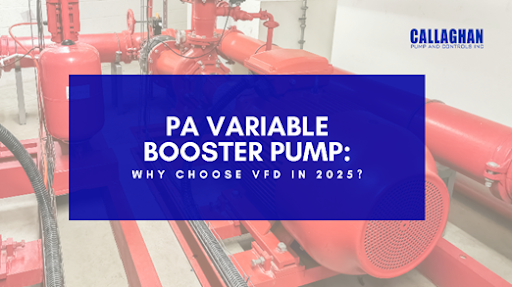
Most of the conversations about variable booster pumps end with energy savings. While this benefit is real, it is only half of the story. How does the pressure shift inside the device? How does it know when and how much energy to utilize? The part that is rarely discussed and takes charge of all the tough work happens inside the sensor network.
This blog will enlighten you on how this incredible component operates as we discuss its significant role in Pennsylvania variable booster pumps.
Sensors are small components installed within a pump, acting as eyes and ears of the booster pumps. They continuously gather real-time data on water flow, pressure, temperature, and demand.
In simple terms, sensors inside variable booster pumps transform standard pump systems into intelligent water pressure control equipment.
Traditional pumps usually lack sensors, and therefore they operate at a fixed speed. This causes the pumps to overwork due to the extra energy being consumed.
Without sensors, variable pumps are incomplete and would not know when to increase or decrease the speed. As a result, the system would either operate non-stop at its full efficiency or fail to maintain the necessary pressure during high demand.
For all these reasons, sensors are a primary component of a variable water booster pump.
What makes variable booster pumps exceptional is their ability to adapt to changing water pressure and flow demands. But how do they accomplish this?
Sensors provide data to VFDs, which allow pumps to adjust their speed intelligently. In many ways, sensors are what make a water booster pump truly “variable.”
For example, the water pressure at the highest floor in apartments is maintained using variable booster pumps during peak morning hours. Sensors recognize the pressure drop and trigger the system to increase pump output.
Mainly, sensing and control technologies underpin the sensor-driven booster pump operation. While other components, such as flow controllers, variable frequency drives, and monitoring devices, contribute to the system, pressure sensing technology remains the most significant.
Sensors have an enormous impact on the pumping system. They are the crucial force behind VFDs, making precise adjustments that maintain water pressure stability.
Without sensors, a variable booster pump may lose the intelligence that makes it dependable and durable. If you are considering upgrading to a smarter pumping solution, investing in one could bring operational reliability.
Callaghan pump offers smart water pressure solutions with advanced variable booster pumps supply in Pennsylvania. Optimize water flow and reduce high electricity bills today with smart pumping solutions. Explore our product range.
john@callaghanpump.com,
eileen@callaghanpump.com,
dan@callaghanpump.com,
sales@callaghanpump.com,
service@callaghanpump.com